Dubai Is Putting Property Deeds on the Blockchain — And It Could Rewrite the Rules of Real Estate Ownership Forever
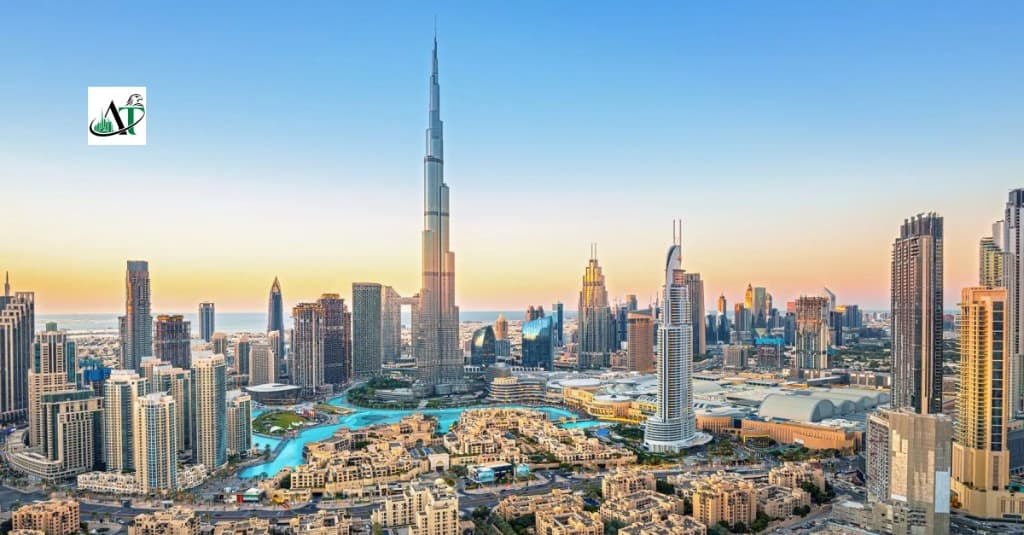
“Dubai Land Department and VARA have piloted a groundbreaking program tokenising actual property title deeds, opening the door for direct, instant, and fractional real estate ownership.”
Real estate has always been one of the world's most trusted asset classes — but also one of its most inefficient. Title transfers take weeks. Ownership disputes clog courts. Cross-border property investment is laden with paperwork, intermediaries, and uncertainty. Dubai has decided it has had enough of all of that.
A Watershed Moment for Property Tokenisation
In what is being described as a watershed moment for global property markets, Dubai's Land Department and crypto regulator the Virtual Assets Regulatory Authority (VARA) have piloted a programme that tokenises the property deed itself — not a special purpose vehicle or a security wrapper around a property, but the actual title deed.
The distinction matters enormously. Until now, tokenising real estate usually involved a special purpose vehicle and selling tokens of that entity — meaning holders owned securities, not property. The Dubai pilot changed this: your name appears on the title deed itself. It is not a security. It is actual part of a real estate property. That, in the words of industry observers, is the game changer.
Why This Changes Everything
The implications fan out in every direction. For international investors — particularly those in Asia, Europe, and North America who want exposure to Dubai's booming property market — blockchain-based title deeds offer something that no amount of legal structuring has previously been able to provide: direct, verifiable, transferable ownership with the speed and accessibility of a digital asset.
For the UAE government, the move is entirely consistent with a broader strategy of using regulatory innovation as a competitive advantage. Dubai has been methodically building the infrastructure for a tokenised economy — from VARA's regulatory framework for digital assets to the DIFC's fintech ecosystem — and blockchain property deeds are the logical next frontier.
What Comes Next
The pilot is not yet at full commercial scale, but the direction of travel is clear. As the legal and technical framework matures, expect to see fractional property ownership — where multiple investors hold proportional shares of a single title deed — become a mainstream product in Dubai's real estate market. That opens Gulf property investment to a global retail audience that has historically been priced out of direct ownership.
For real estate developers, brokers, and investors operating in the region, the question is no longer whether blockchain will reshape how property is bought and sold. The question is how quickly their own operations need to adapt to a market where tokenised deeds become the standard, not the exception.