Sustainable Aviation: Flying Net-Zero by 2050
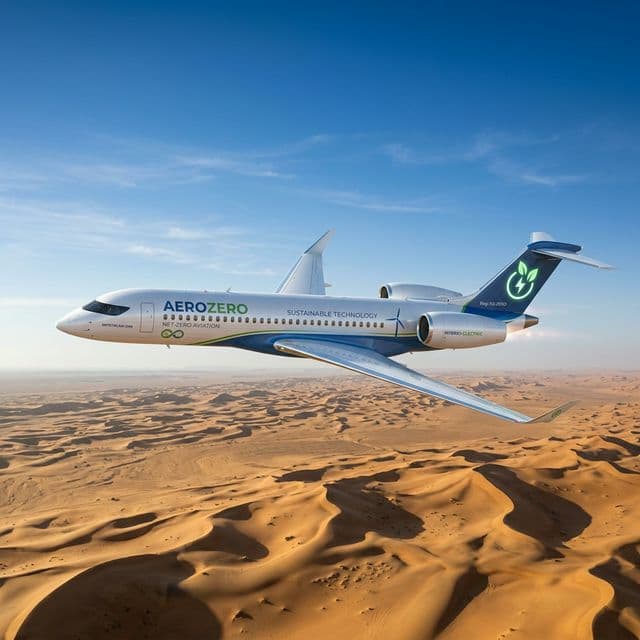
“Middle Eastern carriers lead the charge into hydrogen-powered short-haul flights and sustainable aviation fuel.”
Aviation is one of the hardest-to-abate sectors in the global fight against climate change, yet Middle Eastern carriers are actively rising to the challenge. Airlines like Emirates, Etihad, and Saudia are committing to ambitious sustainability goals, exploring the viability of Sustainable Aviation Fuel (SAF), hydrogen propulsion, and next-generation fleet efficiencies.
Sustainable Aviation Fuel represents the most immediate pathway to reducing emissions. By sourcing fuel derived from organic matter and waste products, airlines can reduce their carbon footprint by up to 80% compared to fossil fuels. Major regional hubs are investing in local SAF production facilities to secure reliable supply chains for the future.
While SAF bridges the gap today, the long-term future of aviation lies in revolutionary technologies. Research into hydrogen-powered engines and hybrid-electric commuter flights is accelerating. By collaborating with international manufacturers, regional carriers are positioning the Middle East at the forefront of the green aviation revolution.