We Need to Stop Calling It "Emerging." The Middle East Is a Business Destination, Full Stop.
Dubai's real estate generated AED 917 billion in 2025. Saudi Arabia ranks first globally in cybersecurity. A Dubai BNPL startup is valued at USD 4.5 billion. At what point does 'emerging' become the wrong word?
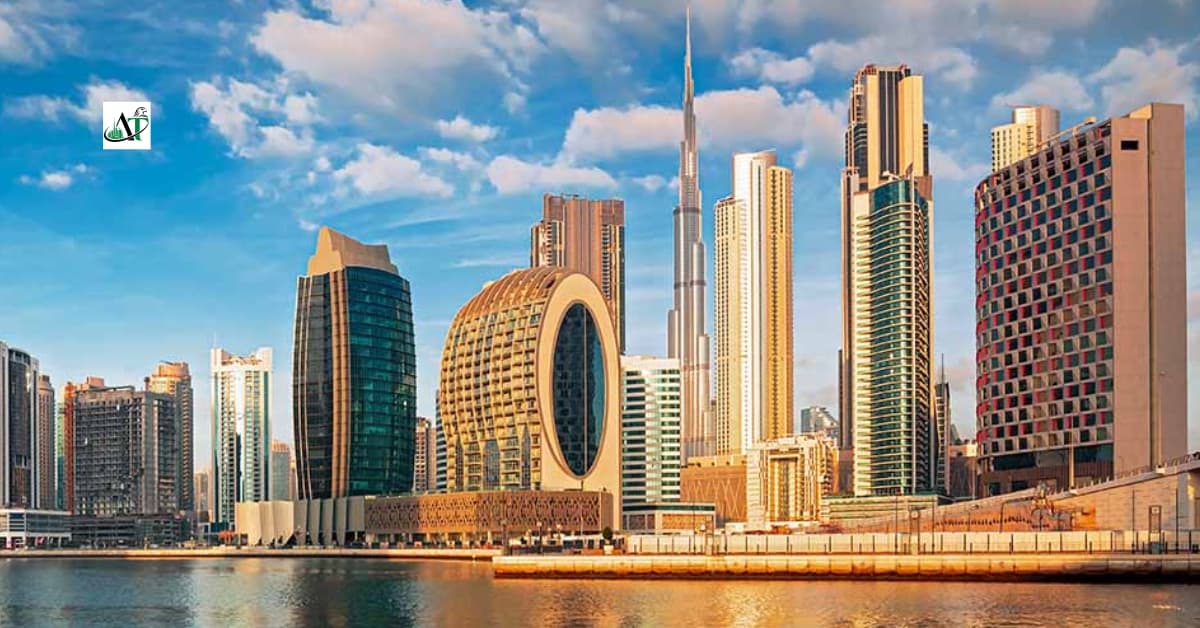
There is a word that has followed the Middle East around business media for the entirety of my adult career, and I have grown tired of it. Emerging. As in: the 'emerging' technology sector. The 'emerging' startup ecosystem. The 'emerging' financial markets. The region has been emerging for so long in the Western financial press that you begin to wonder whether anyone has stopped to notice that it has, in fact, arrived.
Let me offer some evidence. Dubai's property market generated AED 917 billion in transactions in 2025 — approaching the AED 1 trillion target its government has set for 2033. Saudi Arabia's GDP crossed USD 1.3 trillion with non-oil activities now contributing the majority of output. The UAE accounts for 39 percent of all fintech investment across the entire Middle East and Africa. A BNPL startup headquartered in Dubai is valued at USD 4.5 billion and is preparing an IPO. Saudi Arabia ranks first in the world in cybersecurity and third in the global AI index. At what point does 'emerging' become the wrong word? I would suggest we passed that point some time ago.
The Cost of the Wrong Frame
This is not a semantic complaint. The language of emergence has real commercial consequences, because language shapes expectations, and expectations shape capital allocation. When international business leaders frame the Middle East as an emerging market, they apply a discount. They delay entry. They send regional vice presidents rather than CEOs. They allocate budgets calibrated for frontier markets rather than competitive global cities.
And then they discover that their competitors — often from Asia, increasingly from within the region — were not applying that discount. They walked in, committed fully, built local relationships, localised their offer, and captured market positions that are now structurally difficult to challenge. This pattern has repeated across sectors: cloud infrastructure, retail, financial services. The companies that succeed in the Middle East are, consistently and regardless of sector, the ones that showed up with the commitment and the senior attention that the market warranted.
What 'Full Stop' Actually Requires
Treating the Middle East as a primary business destination requires a genuinely different operating posture. It means building for the region rather than adapting for it. The companies that are winning in Gulf markets are not, by and large, Western or Asian companies that have localised a global product. They built the product for this specific consumer, this specific regulatory environment, and this specific cultural context, from day one.
It means building for the Arabic language, not around it. The internet is an English-language project with Arabic translations bolted on. That is changing — has to change, because 400 million speakers is not a rounding error, it is a primary market. The next time your board asks you to present the Middle East opportunity, reframe the question: 'What are we losing by not being fully committed to a market generating AED 917 billion in annual real estate transactions, USD 4.5 billion fintech unicorns, and national AI strategies backed by sovereign wealth funds?' The answer to that question is not comfortable. But it is more honest than the alternative.