The Fed Just Hiked Rates for the First Time Since 2023 — Here's What It Means for the Gulf's AI Bet
The Fed raised rates to 3.75%–4% on September 16, its first hike since 2023. With GCC currencies pegged to the dollar, the cost of the Gulf's AI buildout just went up too.
The Federal Reserve raised interest rates on Wednesday for the first time since July 2023, a unanimous 12-0 vote to lift the federal funds target range by a quarter point to 3.75%–4.00%. It's a small number with a large story behind it. Inflation has stayed stuck around 3.4% year-on-year, core inflation at 2.4%, and the energy shock from the war between the US, Israel and Iran has kept pushing diesel and gasoline prices higher through the summer. Fed Chair Kevin Warsh, in his first rate decision at the helm, gave the committee little room to read anything but a hawkish signal — and most officials now think at least one more hike is coming before the year is out.
Unforgiving Math for the AI Trade
For the AI trade, the timing could not have landed worse. In the days before the decision, chip stocks had already fallen nearly 6% after Anthropic's Dario Amodei and OpenAI's Sam Altman both published unusually candid warnings about the pace of frontier AI development, feeding a broader reassessment of how fast and how safely the buildout should be moving. Layer a rate hike on top of that, and the math on every AI data-center project gets less forgiving overnight: higher borrowing costs, a harder discount-rate hit to companies still years from profitability on their AI bets, and Treasury yields that broke above 5% for the first time since 2007. Growth stocks hate that combination, and AI has been the market's biggest growth story for three years running.
The Currency Peg Transmission Channel
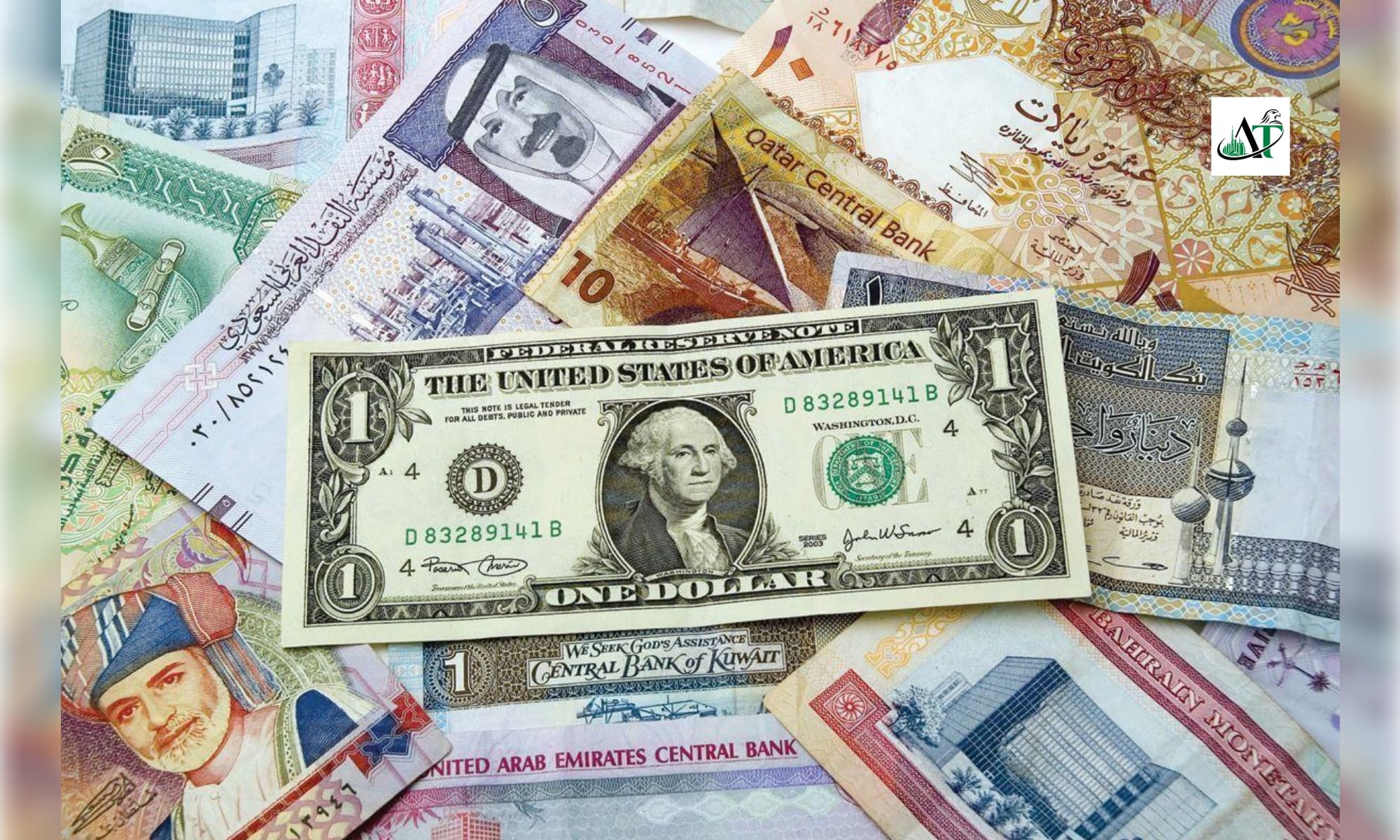
Here's the part that doesn't stay in New York. The UAE dirham, the Saudi riyal, the Qatari riyal, the Bahraini dinar and the Omani rial are all pegged to the US dollar, which means Gulf central banks generally have to follow the Fed's moves to defend those pegs, whether or not local inflation justifies it. When Washington tightens, Riyadh and Abu Dhabi tighten too. That's arriving at an inconvenient moment: Saudi Arabia's HUMAIN is mid-build on a roadmap toward roughly 6 gigawatts of AI data-center capacity backed by an estimated $77 billion, and Abu Dhabi's Stargate UAE — the G42, OpenAI, Oracle, SoftBank, Nvidia and Cisco joint venture — is racing to bring its first 200-megawatt tranche online this quarter as part of a planned 5-gigawatt campus. Both projects are financed against a cost-of-capital assumption that just moved against them.
Sovereign Wealth and Regional Exchange Exposure
It isn't only project financing. Sovereign wealth funds — the Public Investment Fund, Mubadala, the Qatar Investment Authority — carry heavy direct exposure to the same AI equities that sold off on the rate news, and Gulf exchanges in Riyadh, Dubai and Abu Dhabi have been tracking Wall Street's tech-led declines almost tick for tick this month. None of that is catastrophic on its own. But the Fed's updated dot plot points to further tightening into 2026 and 2027, not a pause, and Warsh's independence is already being publicly tested by pressure from Washington to cut. For a region that has bet tens of billions of dollars — much of it borrowed or leveraged through pegged currencies — on becoming a global AI compute hub, the length of this tightening cycle is now as important a variable as the electricity supply itself.