Dubai Just Laid Out Its Tourism Roadmap for the Rest of 2026 — Here's What's In It
More than 1,700 industry leaders gathered at Dubai's bi-annual City Briefing this month to hear plans for sustaining visitor growth and reinforcing the emirate's global tourism position through year-end.
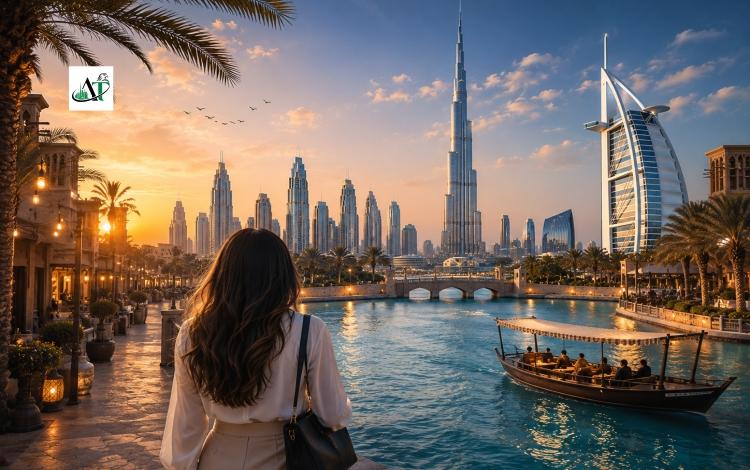
More than 1,700 industry leaders gathered at Dubai's bi-annual City Briefing this month to hear plans for sustaining visitor growth and reinforcing the emirate's global tourism position through year-end.
Key Takeaways
• Dubai's Department of Economy and Tourism outlined its second-half 2026 roadmap to more than 1,700 tourism, aviation, hospitality, retail, and events leaders at its bi-annual City Briefing. • The briefing centred on sector resilience amid recent regional developments and reaffirmed commitment to the Dubai Economic Agenda, D33. • Dubai enters the second half of 2026 from a position of strength, following record international visitation in 2025 and a base of more than 154,000 hotel rooms and 13,000 food and beverage outlets.
Industry roadmaps are easy to dismiss as routine corporate calendar events, but the timing and framing of Dubai's latest City Briefing make it worth a closer look. More than 1,700 leaders across tourism, aviation, hospitality, retail, and events gathered at Dubai Opera for the Department of Economy and Tourism's bi-annual briefing, and the sessions were structured around three themes, with the industry's response to recent regional developments given top billing — a signal that officials chose to address regional tension directly rather than around it.
The substantive commitments matter as much as the framing. Dubai reaffirmed its commitment to the Dubai Economic Agenda, D33, the emirate's long-term economic growth framework, and detailed plans to sustain visitor growth and strengthen competitiveness through the remainder of 2026. That commitment is backed by real scale: the city entered this year from a position of strength following record international visitation in 2025, and now operates more than 154,000 hotel rooms alongside roughly 13,000 food and beverage outlets — infrastructure that represents years of sustained investment, not a single cycle's bet.
For operators and investors across the tourism, hospitality, and retail sectors regionally, the briefing's core message is less about any single new initiative and more about continuity: Dubai's tourism strategy is proceeding on its existing long-term framework even amid short-term regional disruption, rather than being fundamentally revised in response to it. Whether that continuity holds through the rest of 2026 will be one of the more closely watched indicators of Gulf tourism resilience broadly.